
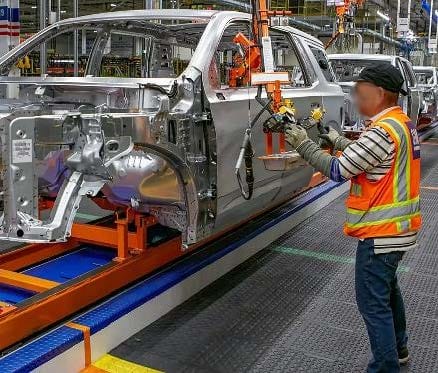
An auto manufacturer wanted to create a new organizational structure incorporating empowerment and self-directed teams. The manufacturer was opening a new plant to manufacture anti-lock brake systems for its small trucks and midsized cars. A brown field site was selected, and a small management team was assembled to oversee the project. A new organizational structure, involving empowered, self-directed, agile teams, was to be incorporated into the new plant’s operations. These were new concepts and practices that were being introduced into many of the manufacturer’s plants and facilities. But it wasn’t going to be easy. The manufacturer had a long, and often embattled relationship, with a national union. And these new, teaming structures necessitated changes to the decades-old charter between the union and manufacturer. ITC helped the two parties come up with shared objectives, a process for labor and management collaboration, and implement empowered, self-directed teams…
ITC had gained a reputation for successfully generating overall support for implementing empowered, self-directed teams in the manufacturing sector, and was approached by the project team to discuss our ideas around self-direction and empowerment as well as our implementation processes. After meeting with the project team, we met with the local union officers and representatives.
While the project team was directed to implement employee empowerment and self-direction, the union wasn’t sure about either of them and was hesitant to support the project. Without union support and involvement, the project would not succeed. An exploratory and explanatory meeting was convened by ITC to share the concepts and benefits with both the union and manufacturer stakeholders. The union sent the local union’s President and several members and the entire project team attended. As anticipated, it quickly became apparent that there were two opposing positions in the room and the meeting devolved into the union expressing their concerns and opposition. The project team and ITC team listened and reflected to ensure the union positions were heard and understood. We agreed that all stakeholders needed to share their thoughts and feelings in a safe and brave space.
Following the initial meeting, the ITC team met with the union reps and project teams separately to present a process for conducting open dialogue, deep listening, and reflection. These are not necessarily new practices but applying them when strongly held beliefs and opinions differ, requires practice and trust. As we, the ITC team, introduced the skills we learned a lot about the positions of both parties. We knew that attaining consensus would not be easy but continued to talk and build trusting relationships with both sides.
In time, we adopted an appreciative inquiry approach focusing on mutual and individual strengths, building on them, and working toward a shared vision of the future that was beneficial to both. It took a while, but eventually both parties began working collaboratively toward that objective. Considerable time was spent coming to terms with the traditional opposing mindsets of labor and management. But by continually voicing and emphasizing common values, mutual benefits, and deep listening practices enough trust was established to move forward toward employee empowerment and self-direction.
At the outset of the planning and implementation process, members from the union, rank and file members as well as shop stewards, were added to the Change Oversight Team and worked with the project team to implement the change to empowerment and self-direction. When the union members of the COT realized they had a meaningful voice in how things were to be done, they worked to garner support from their union brotherhood. There were natural barriers to what both sides wanted, but the COT came to appreciate that by working together workarounds were possible. In time, the new plant was organized into self-directed teams that relied on and valued the collective expertise and experience of seasoned journeymen and women as well as managers from the organization.